About David Jacobson
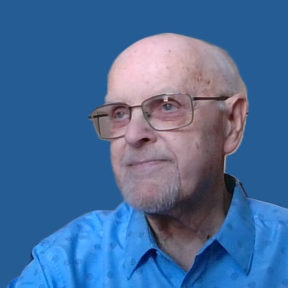
David Jacobson was born on June 21, 1937, in San Francisco, California—a date he remembers not with celebration, but as the beginning of a journey no child should have to take. Yet 88 years later, he stands as living proof that the human spirit can overcome even the most devastating circumstances.
His early years were marked by parental alcoholism that repeatedly destroyed any sense of stability or safety. From detention centers to a hospital bed where he recovered from polio, from orphanages to periods of complete abandonment, David learned early that survival required strength he didn’t know he possessed.
But this is not just a story of survival. It’s a story of triumph over adversity, of finding love in the midst of brokenness, and of building a life worth living from the most difficult materials.
The Early Years: Gathering the Pieces
David’s childhood was fractured by his parents’ alcoholism. He and his younger brother Billy were moved through various institutions—detention centers, hospitals, and eventually Edgewood Orphanage. Despite the constant upheaval, David found moments of kindness: nurses who showed him compassion, strangers who helped when they didn’t have to, and small victories that kept hope alive.
At age ten, while recovering from polio in a San Francisco hospital, he experienced both the depth of abandonment and the heights of human kindness. Five families brought him gifts and companionship when his own parents never visited. These experiences taught him that family isn’t always defined by blood, and that goodness exists even in the darkest places.
Service, Love, and Purpose
David’s path eventually led him to the United States Air Force, where he found structure, purpose, and a sense of belonging. His military service marked a turning point—the beginning of building his own life on his own terms.
It was during this time that he met Glenda, the woman who would become his partner for the next 67 years. Their marriage became the foundation upon which David could finally build the stability he never had as a child. Together, they created a family, raised children, and built a life filled with the love and constancy he had longed for.
Building Success from Broken Beginnings
Despite limited formal education in his early years (interrupted by constant moves and institutional placements), David pursued learning with determination. He built a successful career, earned respect in his profession, and proved that your starting point doesn’t determine your destination.
His journey took him from San Francisco to Denver, Albuquerque, Bartlesville, Oklahoma City, and eventually to Sun City, Texas—which he describes as the best years of his life. Each place added another piece to the puzzle of who he would become.
Retirement and Creative Expression
In retirement, David discovered another passion: digital art. His computer-generated artwork appears throughout his memoir, visual representations of the places and emotions that shaped his journey. This creative outlet became yet another way to make meaning from his experiences and express the beauty he found despite the pain.
Now, at 88, David reflects on a life that moved from unspeakable difficulty to profound fulfillment. His story isn’t about denying the pain of his past—it’s about refusing to let that pain be the final word.
Why He Wrote This Book
David wrote “Putting the Pieces Together” with a simple yet powerful goal: to show that success is possible despite seemingly insurmountable problems. His message is one of hope for anyone facing challenges that feel impossible to overcome.
“My primary goal in this book is to show that success is possible despite the sometimes seemingly unsolvable problems one may face. If you don’t fight for it, success is difficult to achieve. If you are faced with such a challenge, you can overcome the difficulty.”
His memoir is a testament to resilience, the healing power of love, and the truth that broken pieces can indeed be put together into something whole and beautiful.
Connect with David
Interested in having David speak at your church, men’s group, veteran’s organization, or community event? His story resonates with anyone who has faced adversity or seeks to understand the path from brokenness to wholeness.